








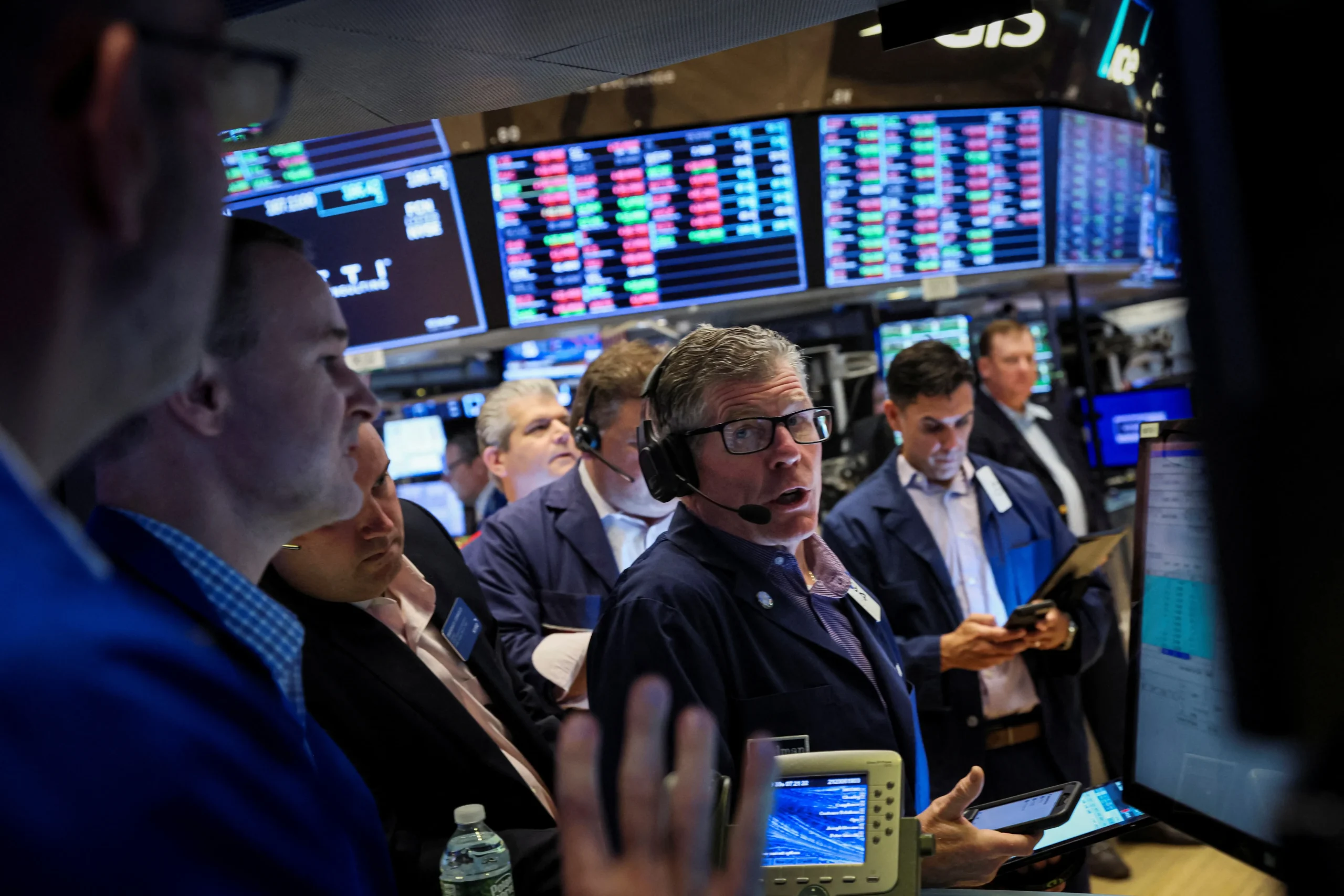
During Wednesday morning’s trading, Treasury yields saw a slight decrease as investors assessed remarks made by Federal Reserve Chair Jerome Powell at a gathering of central bankers in Portugal.
The yield on the 2-year Treasury slipped to 4.757% from 4.762% on Tuesday, while the yield on the 10-year Treasury retreated to 3.751% from 3.767% Tuesday afternoon. Additionally, the yield on the 30-year Treasury fell to 3.829% from 3.839% late Tuesday.
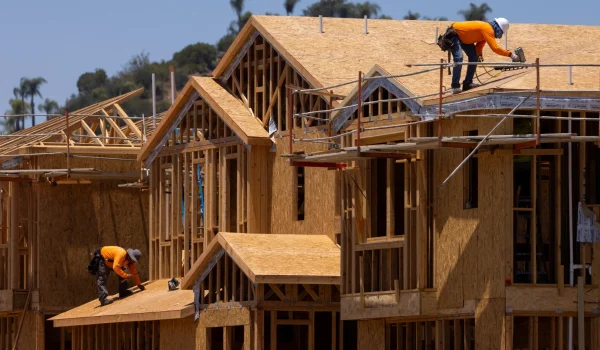
With limited top-tier U.S. economic data available, U.S. traders turned their attention to the annual forum on central banking held by the European Central Bank in Sintra, Portugal. Of particular interest was a panel discussion that featured Powell alongside the heads of the Bank of England, European Central Bank, and Bank of Japan. Investors were eager to hear if Powell would provide any insights regarding the possibility of further interest rate hikes, given the recent positive U.S. data on housing, durable goods, and consumer confidence.
During the panel, Powell mentioned that he would not rule out consecutive rate hikes, stating that a recession is not the most likely scenario for the U.S. economy and that it has demonstrated resilience.
Christine Lagarde, the ECB president, reiterated her stance that her colleagues are currently not considering a pause in rate hikes.
Market expectations suggest an 84% probability of the Fed raising interest rates by 25 basis points to a range of 5.25%-5.5% on July 26, according to the CME FedWatch Tool. The central bank is not expected to lower its fed funds rate target to around 5% until next year, as indicated by 30-day Fed Funds futures.
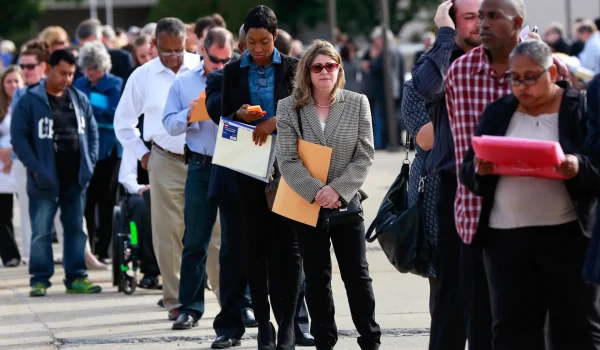
Analysts noted that the lack of significant economic data has resulted in sideways movement for U.S. rates. The performance of other asset classes, particularly U.S. equities, and flows will likely influence any price action. The solid condition of the U.S. economy has supported the Fed’s efforts to establish price stability, with positive factors such as a strong job market, reasonable growth, and improving sentiment extending the Federal Open Market Committee’s hawkish stance through the remainder of the year.
However, analysts also mentioned that certain inflation components have proven stickier than previously assumed, which could present policy tradeoffs if the economy were not in a solid position