














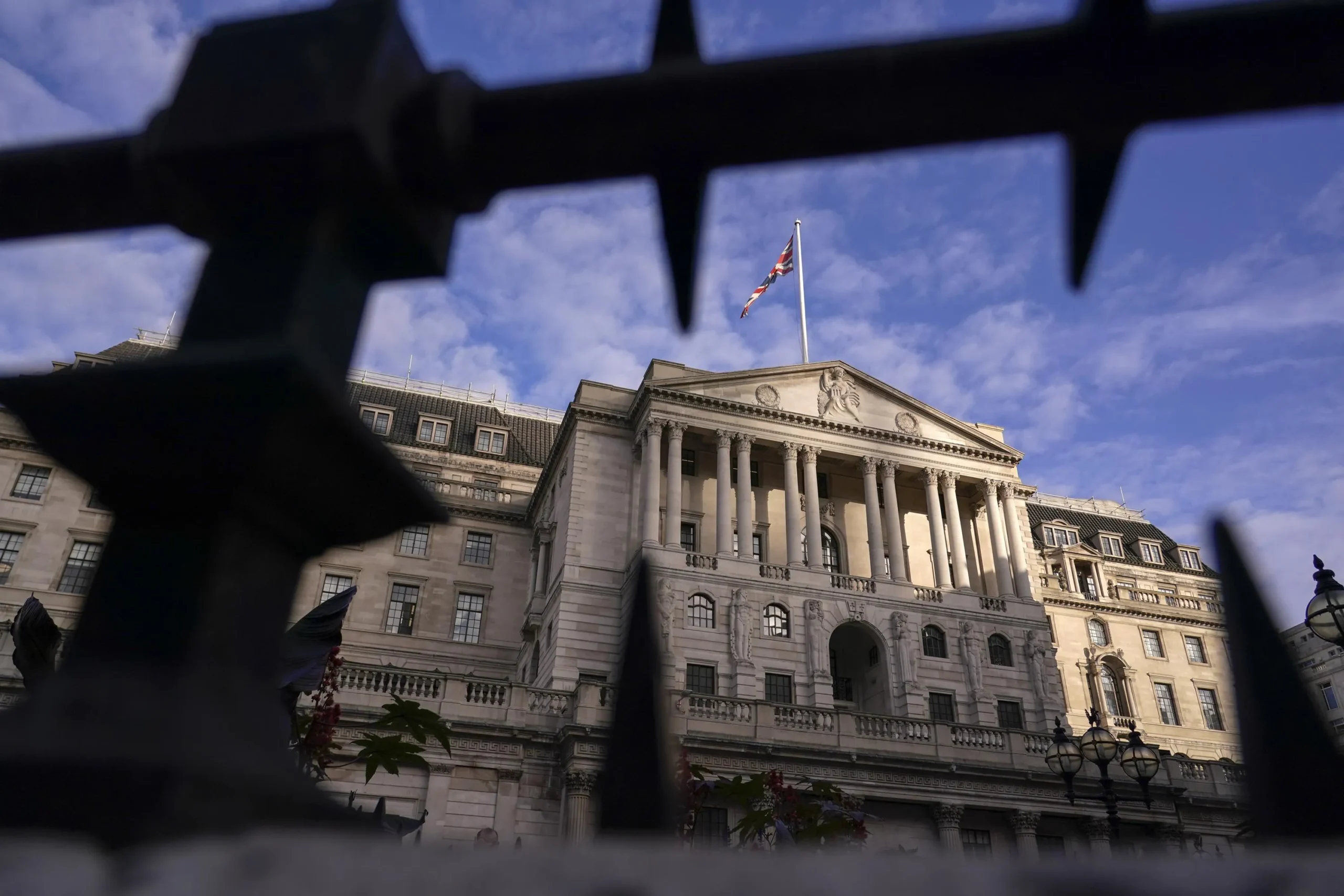
The Bank of England has recommended that the UK take swift regulatory action to strengthen the pensions market. This follows recent bond market turmoil, which has exposed shortcomings in the current oversight regime.
The central bank’s Financial Policy Committee said Tuesday that the pensions regulator and Financial Conduct Authority should work with overseas regulators to ensure that liability-driven investment funds are more resilient to higher interest rates.
The Bank of England (BOE) has warned that there is a clear need for urgent and robust measures to reduce risks to UK financial stability.
In its Financial Stability Report, the BOE said that there are significant regulatory and supervisory gaps that need to be filled in order to protect the UK financial system.
The BOE called for urgent action to address these risks, saying that they could have a serious impact on the stability of the UK economy.
The LDI situation will require further action after this interim intervention as part of a broader review of market-based finance, including a first-ever system-wide stress test of shadow banks globally, the report said.
The report paints a grim picture of the UK’s economic prospects while concluding that the banking sector is well-placed to withstand even worse conditions. It assesses the ability of the financial sector to withstand economic shocks and concludes that the sector is strong enough to weather even more difficult times.
Governor Andrew Bailey said in an accompanying letter to the Treasury that economic conditions have deteriorated and inflation has increased substantially since Russia’s illegal invasion of Ukraine. The economic turmoil is likely to continue to weigh on households, businesses and governments globally.
Pension funds were caught off guard by a sudden drop in gilt prices after the government’s September mini-budget, leading to a wave of asset sales. The Bank of England intervened to contain what it saw as “fire sale dynamics” with emergency measures to calm the market.
This has led to questions about why a large but previously inactive part of the financial sector could fluctuate so much and whether there are any additional risks. The BOE said it is investigating money-market funds and other shadow banking entities.
The central bank said that many LDI pension funds and pension schemes lacked the resilience to withstand shocks, and that there were shortcomings in banks’ understanding of these funds’ ability to meet margin calls in stressed scenarios. The BOE estimates that LDI funds faced more than £70 billion of collateral and margin calls during the crisis period.
The Bank of England has warned that the UK faces an “acute risk to UK financial stability” from a collapse in foreign investor demand for government debt. This is due to the country’s reliance on what former BOE governor Mark Carney called the “kindness of strangers.”
The report also said that the UK housing market is expected to come under strain in the next year. Monthly payments for an average household with a fixed-rate mortgage are expected to increase by a third to £1,000.
Even if economic conditions worsen, UK banks should be well placed to absorb unexpected shocks, according to the report. This is due to their strong capital and liquidity positions.