









During the June meeting, the majority of Federal Reserve officials expressed their expectation for further monetary tightening, albeit at a slower pace compared to the rapid rate increases witnessed since early 2022. The minutes released on Wednesday revealed that policymakers opted against raising interest rates due to concerns over economic growth, despite the general consensus among members that more rate hikes are likely in the future. By leaving the target range unchanged at the meeting, officials aimed to allow themselves more time to evaluate the progress of the economy in achieving the Committee’s objectives of maximum employment and price stability.
Federal Open Market Committee members expressed caution regarding several factors. They believed that a brief pause would provide an opportunity for the committee to assess the impact of the cumulative 5-percentage-point rate increases, which have been the most aggressive moves observed since the early 1980s. The minutes noted that the economy was facing challenges from tighter credit conditions, including higher interest rates for households and businesses. These conditions were expected to potentially weigh on economic activity, hiring, and inflation, although the extent of these effects remained uncertain.
The unanimous decision not to raise rates was made in consideration of the significant cumulative tightening in monetary policy and the time lags associated with the effects of policy on economic activity and inflation.
The release of the minutes had minimal impact on the markets, with the Dow Jones Industrial Average down approximately 120 points near the end of trading, while Treasury yields experienced a notable increase.
Within the Fed, there was some disagreement among members. According to the projection materials released after the June meeting, all but two of the 18 participants anticipated that at least one rate hike would be appropriate within the year, and 12 participants expected two or more hikes. The minutes highlighted that those favoring a 25 basis point increase noted the tightness of the labor market, stronger-than-anticipated momentum in economic activity, and the absence of clear signs that inflation would return to the Committee’s 2 percent target over time.
Even among those in favor of tightening, there was a general consensus that the pace of rate hikes, which included four consecutive 0.75 percentage point increases at consecutive meetings, would diminish. The minutes emphasized that many officials acknowledged the Committee’s shift from rapid tightening last year to a slower pace and believed that a further moderation in the rate of policy tightening was appropriate to allow sufficient time for observing the effects of cumulative tightening and assessing their implications for future policy decisions.
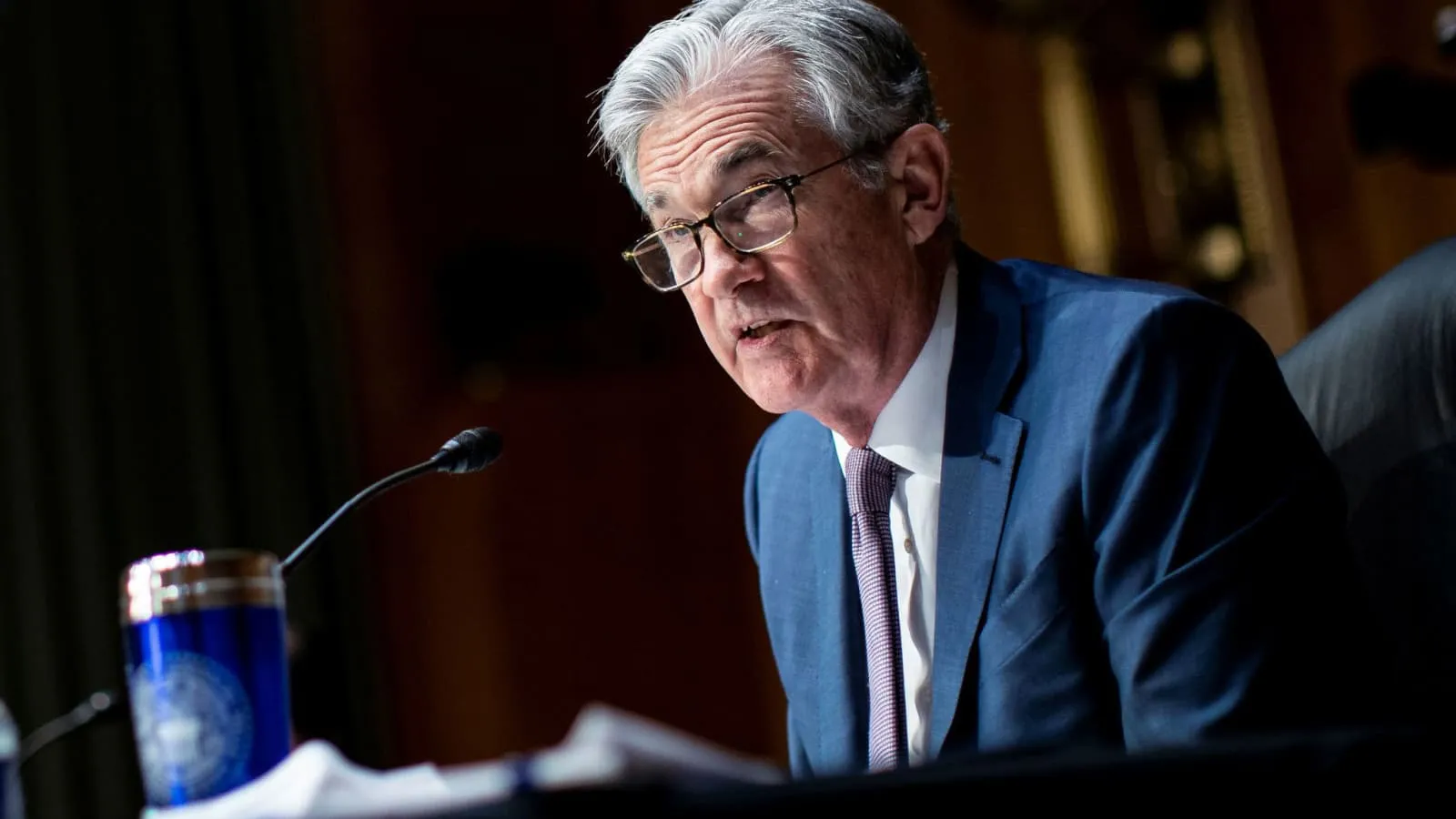
Since the meeting, policymakers have largely maintained their stance of not prematurely giving up on the fight against inflation. In subsequent remarks to Congress, Fed Chairman Jerome Powell emphasized that the central bank still has a long way to go to achieve the 2 percent inflation goal. He also highlighted the united front among the 18 Federal Open Market Committee members, with all foreseeing rates remaining at their current levels at least until the end of the year, except for two members who anticipate rate increases.
This unity has remained intact despite some reservations. For instance, Atlanta Fed President Raphael Bostic has expressed the view that rates are sufficiently restrictive and that officials can now step back and monitor the lagged impact of the 10 rate hikes that have been implemented.
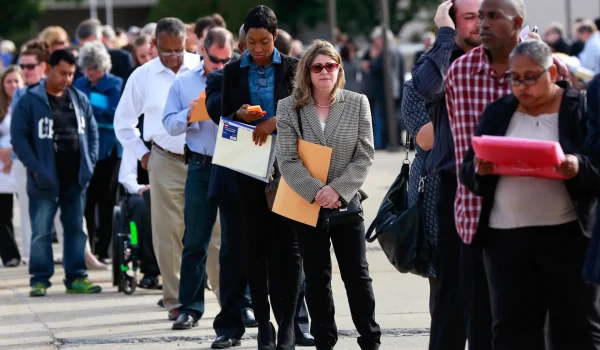
Overall, the available data has largely supported the Fed’s position, despite inflation remaining above target. The Fed’s preferred inflation gauge recorded a modest 0.3% increase in May, although it still reflected an annual rate of 4.6%. The labor market has also shown signs of loosening, although job openings continue to outnumber available workers by a significant margin of nearly 2-to-1. Fed officials have stressed the importance of narrowing this disparity as they seek to moderate the demand that has contributed to higher inflation.