







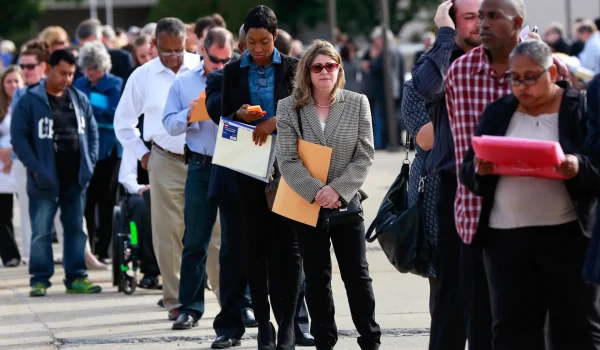
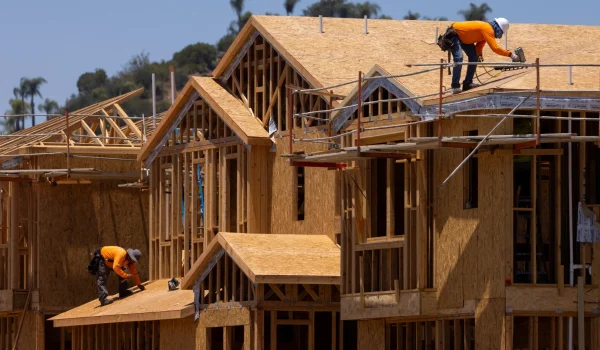
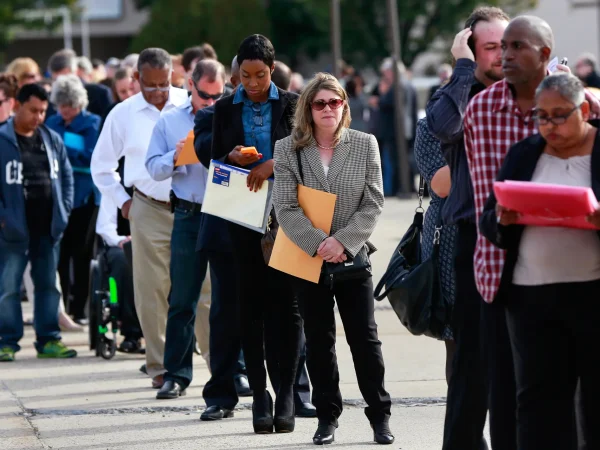



The robust U.S. jobs report for June, published on Friday, has provided some relief from concerns about an impending recession. Bernard Baumohl, the chief global economist at The Economic Outlook Group, stated that there is still no indication that a recession is imminent.
There were indications this week that even the Federal Reserve staff, a significant group of economists, were stepping back from their recession forecast. While the Fed staff still expects a recession to begin in the last three months of this year and last until the end of March, minutes from the Fed’s June interest-rate meeting revealed that the staff conveyed to the central bank’s leaders that the possibility of the economy continuing to grow slowly and avoiding a downturn was nearly as likely as the mild-recession baseline.
Noteworthy economists have shared their perspectives on the recession question. Edward Hyman, Chair of Evercore ISI, expressed his belief that a recession is imminent, citing factors such as the inverted yield curve, a contraction in the money supply, and the significant increase in the Fed’s policy interest rate combined with quantitative tightening. On the other hand, Ed Yardeni, President of Yardeni Research, argued that instead of a widespread recession resulting from the Fed’s monetary tightening, there has been recessionary weakness in different sectors of the economy at different times, which is now transforming into a rolling recovery.
Chicago Fed President Austan Goolsbee emphasized in a CNBC interview that the Fed does not necessarily need to witness a recession to bring down inflation. Goolsbee stated that the “golden path” for the Fed is to reduce inflation without causing a recession and expressed confidence that they are on track to achieve this.
Thomas Tzitzouris, Head of Fixed Income Research at Strategas, highlighted the impact of the Fed’s actions on both Main Street and Wall Street. He noted that while the Fed has already tightened its benchmark Fed funds rate, causing strain on Main Street, it has not sufficiently reduced liquidity in the financial system through its balance sheet, leading to buoyancy on Wall Street. Tzitzouris opined that a recession still seems inevitable in the second half of the year due to the excessive tightening on Main Street and insufficient tightening on Wall Street.
In summary, while the strong jobs report has eased concerns of a recession, opinions among influential economists regarding the possibility of a downturn remain divided.